What we feed and why
Axolotls hunt by suction and swallow food whole, so anything you offer has to be soft and small enough to go down without chewing. That rules out most standard fish food and it rules out anything with a hard shell.
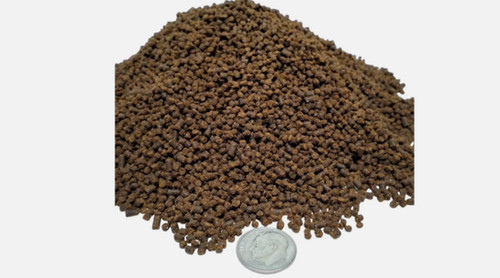
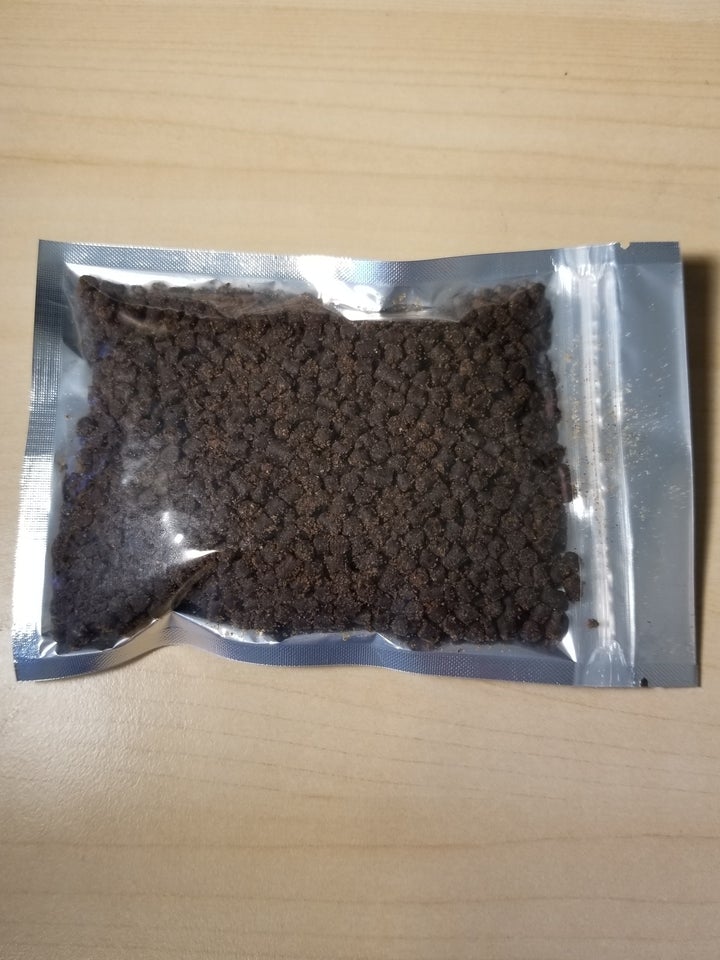
Soft sinking salmon pellets are the practical everyday food. They sink, which matters because an axolotl feeds off the bottom and will not chase anything floating, and they hold their shape long enough to be found without dissolving into the water column. Match the pellet size to the animal: the smaller grade for juveniles under 12 cm, the larger grade once they are grown.
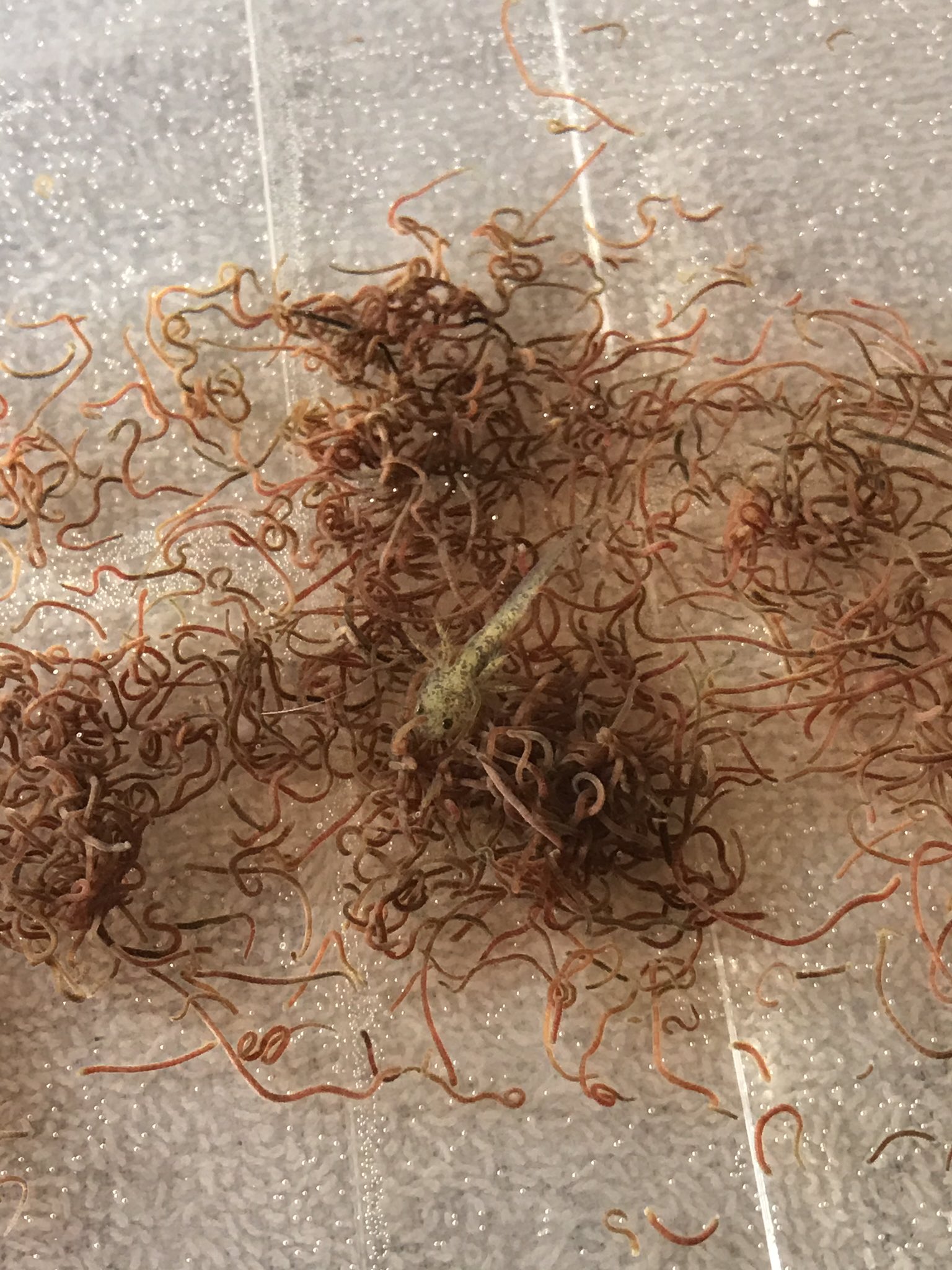
Live blackworm is the conditioning food. It is what we use to bring an animal back up after a move, to tempt a reluctant feeder, and to put weight on a juvenile quickly. It is not a complete diet on its own but nothing beats it for getting a nervous new arrival eating.
How much and how often
Juveniles under 12 cm eat daily. Adults over 15 cm eat every two to three days. Feed what the animal takes in a few minutes and siphon out anything left, because uneaten food is the fastest way to spike ammonia in an otherwise healthy tank.
Judge the portion by shape rather than by weight. A well fed axolotl is about as wide as its head with a gently rounded belly. Noticeably wider means you are overfeeding.
The full feeding schedule, including what to avoid and what to do when an animal stops eating, is in our what do axolotls eat guide.