Baby Axolotls For Sale in Australia
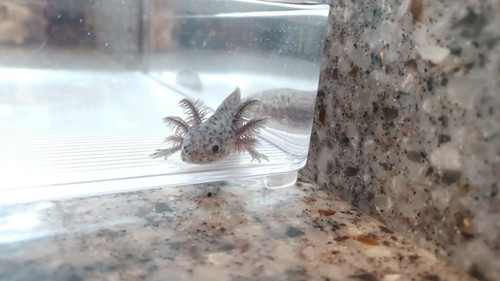
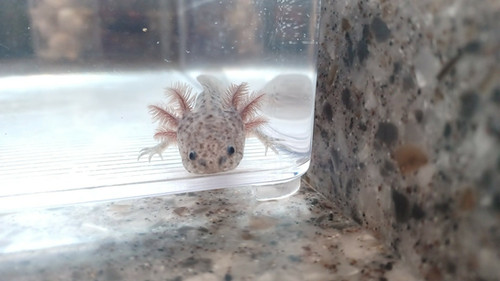
Baby axolotls are the stage most buyers picture, small, wide headed and endlessly hungry. They are also the stage where most first attempts go wrong. Here is what a juvenile actually needs, what size is safe to buy, and why the youngest animal is rarely the right one to start with.
Our smallest animals available now
View all axolotls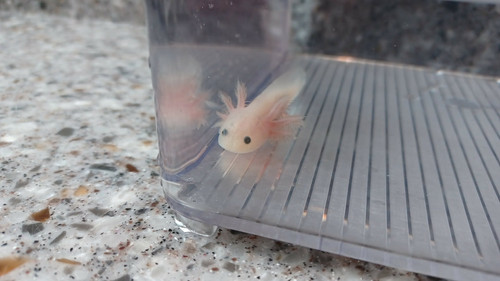
What counts as a baby axolotl
Axolotls hatch at around 1 cm and grow quickly. The stages worth knowing are the larval stage under 5 cm, when the animal has no front legs yet and eats only live food, the juvenile stage from roughly 5 to 15 cm, and adulthood from around 18 cm at somewhere between one and two years old.
When Australian sellers advertise baby axolotls they almost always mean juveniles, generally 8 to 12 cm. That is the right stage to buy. The larval stage is a specialist undertaking and no responsible breeder sells at it.
Why we do not sell the smallest animals
There is a real temptation to buy the smallest and cheapest animal available. It is the wrong economy, for three reasons.
The first is feeding. A juvenile under 10 cm eats every single day, and often needs live or freshly chopped food rather than pellets. Miss a few days and it loses condition fast.
The second is water. Small axolotls are far less tolerant of ammonia and nitrite than grown animals. A tank that is nearly cycled will be survivable for a 14 cm animal and lethal for a 7 cm one.
The third is transit. A small animal has less reserve to handle a day or two in a box. We will not send anything under about 9 cm, which is why our listings start where they do.
Raising a juvenile through the first months
Get the tank cycled before the animal arrives. This is not optional and it takes several weeks, so start it when you start looking rather than when you order. The axolotl tank setup guide covers the whole process.
Feed daily, on chopped earthworm and soft sinking pellets. Juveniles will eat more than you expect and should look rounded through the middle rather than pinched. Full detail in what do axolotls eat.
Keep them alone unless you have a good reason not to. Juveniles kept together will nip each other's gills and limbs, and while axolotls regenerate remarkably well it is stressful and entirely avoidable. Wait until both animals are over 12 cm and a similar size.
Hold the water between 16 and 18 degrees. Juveniles suffer in warm water sooner than adults do.
Which morph for a first juvenile
We would suggest a wild type or a copper. Both keep full eyesight and will hunt food across the tank without being target fed, which removes the most common cause of a juvenile losing condition. Albinos and goldens see poorly and need tong feeding, which is manageable but is one more thing to get right while you are learning.
Pricing for juveniles across every morph is set out on our axolotl price Australia page. If you are not yet certain the animal suits your household, read are axolotls good pets first.
Delivery of juveniles across Australia
We send juveniles the same way we send everything else, insulated box, cool pack, express courier, Monday to Wednesday only, with a live arrival guarantee. Because smaller animals have less reserve we are stricter again about heat, and will hold a juvenile at no charge until the forecast in your area is right. Delivery detail for Perth, Melbourne, Brisbane and every other capital is on the city pages.
Baby axolotl questions
What size baby axolotl is safe to buy?
Around 10 cm or larger. Below about 8 cm an axolotl is still fragile, needs feeding every day, and does not travel well. Most reputable Australian breeders will not send an animal under that size, and we do not.
How much is a baby axolotl in Australia?
Juveniles start around $70 AUD for a wild type and run to $190 or more for the pale and GFP morphs. Younger animals cost less, which tempts first time buyers, but they are considerably harder to raise.
How often do baby axolotls need feeding?
Every day, and sometimes twice a day under 10 cm. Adults eat every two or three days. That daily feeding requirement is the main practical difference between a juvenile and a grown animal.
Can I buy axolotl eggs instead?
You can, but we would talk you out of it for a first animal. Eggs mean managing a hatch, feeding live food to larvae several times a day, and separating siblings before they start biting each other. It is a serious project rather than a cheap way in. If you still want to try, see axolotl eggs.
Browse our juveniles
Every animal is listed with its real size in centimetres and its hatch date, so you know exactly how old it is before you buy.